 English
 العربية
 Français
 Русский
 Español
 Português
 Deutsch
 Italiano
 日本語
日本語
 한국어
한국어
 हिन्दी

Nickel Alloys
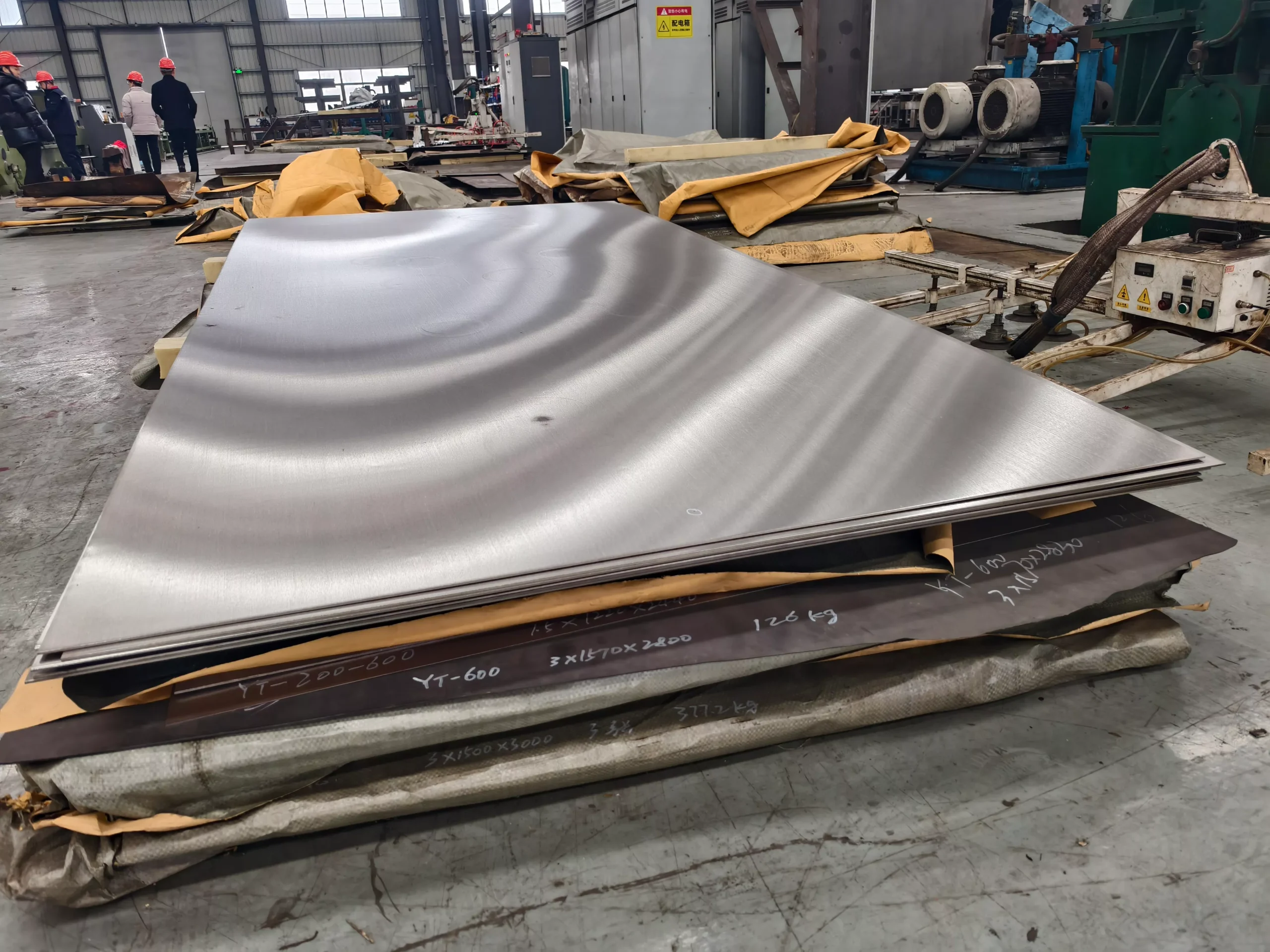
The Introduction to Nickel Plates
The Introduction to Nickel Plates
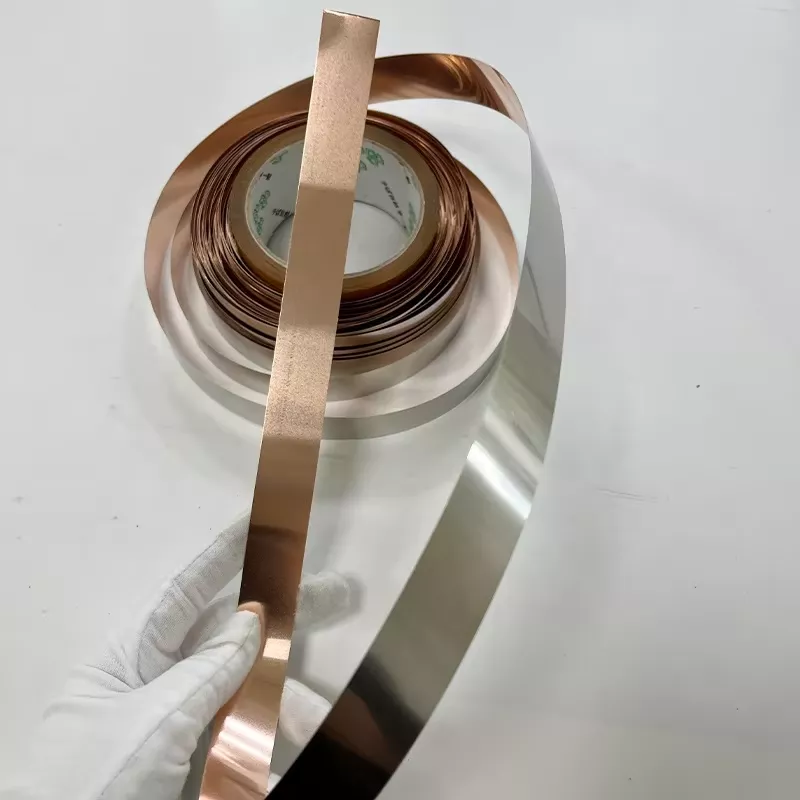
Cu-Ni Clad Strip Vs Pure Nickel Vs Nickel-Plated Copper: Best Material for EV Battery Tabs & Busbars
This article compares copper‑nickel clad strip, pure nickel strip, and nickel‑plated copper for EV battery tabs and busbars. With the development of 800V high‑voltage platforms and fast‑charging technologies, traditional materials can no longer meet performance requirements. Pure nickel suffers from high resistance, severe heat generation and high cost, while nickel‑plated copper faces coating peeling, welding defects and rapid performance degradation. In contrast, Cu‑Ni clad strip features metallurgical bonding, high conductivity, excellent weldability and corrosion resistance, with a service life of 8–10 years and over 30% lower cost than pure nickel. It is highly suitable for prismatic, pouch and cylindrical battery interconnections, making it the optimal and future‑proof material for high‑performance EV battery systems.
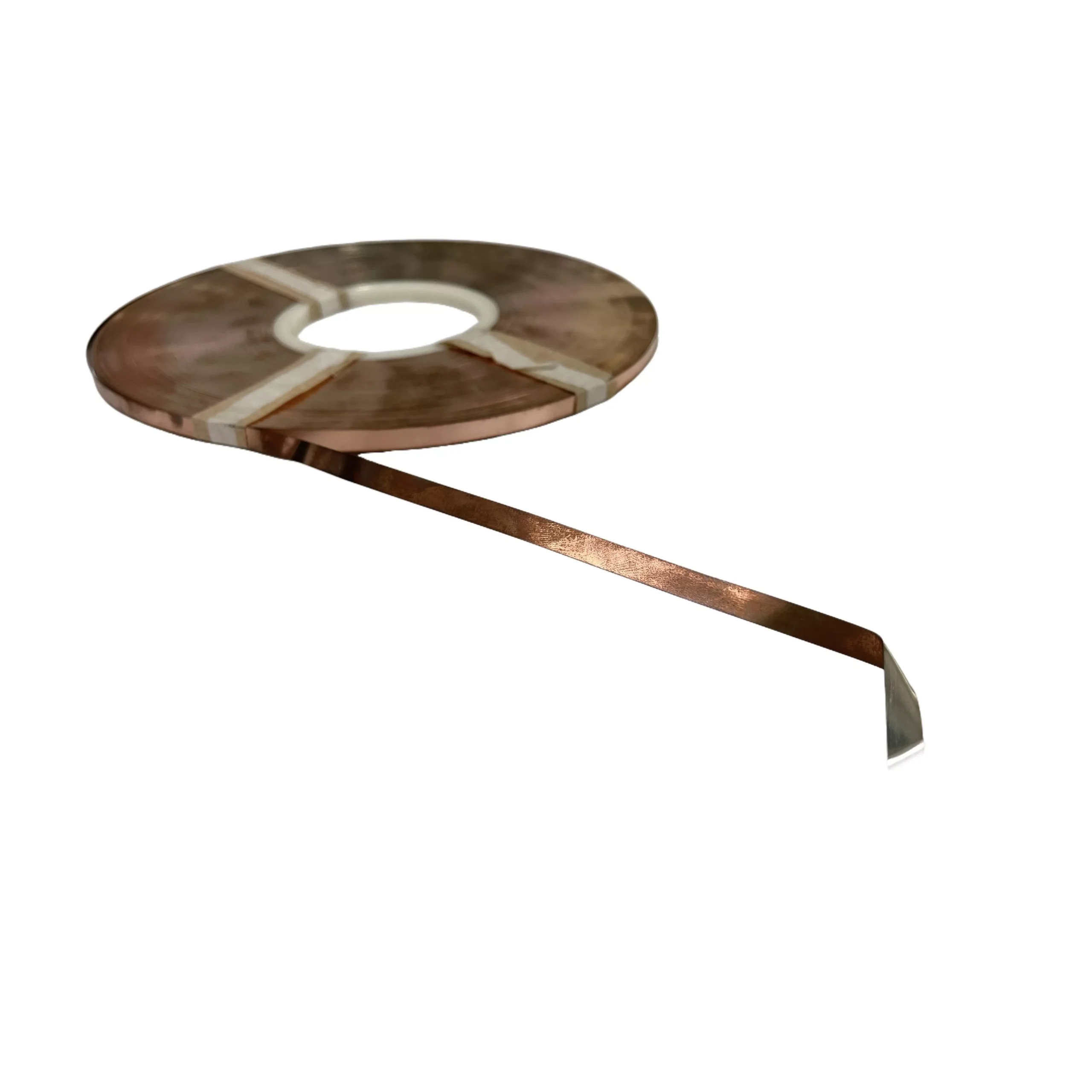
Key Technical Specifications of Copper-Nickel Clad Strip for EV Batteries: 5 Parameters To Check Before Buying
When sourcing copper-nickel clad strip for EV battery connectors, five key technical specifications are critical: single‑side vs. double‑side cladding type, bond strength (peel force ≥10 N/mm), thickness tolerance and uniformity (nickel layer deviation ≤±10%), hardness state (half‑hard vs. soft), and surface roughness & cleanliness (Ra ≤0.2 μm). These parameters directly affect stamping formability, yield of spot/ultrasonic/laser welding, and long‑term reliability of battery connections. This article explains the significance, test methods, and potential risks for each specification, helping procurement engineers and technicians make informed decisions before mass purchase.
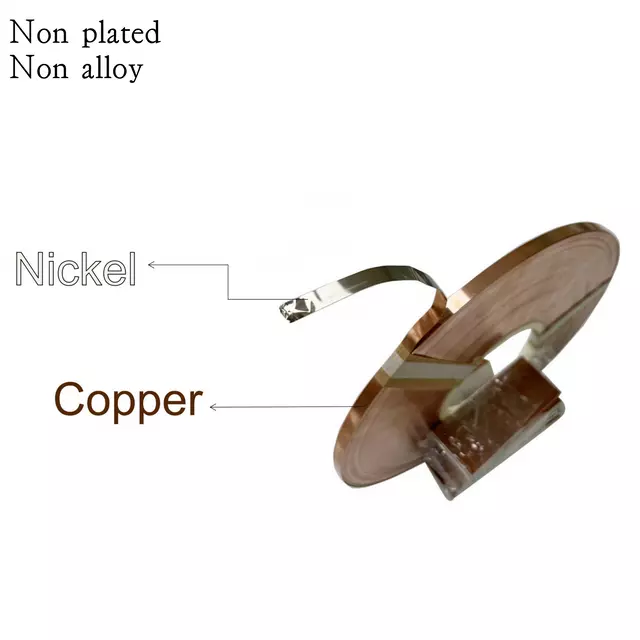
How To Correctly Select Thickness & Width of Copper-Nickel Clad Strip for Your Battery Module
Select Cu‑Ni clad strip size by calculating minimum cross‑section from required current using 3–5 A/mm² as a guideline, then ensure temperature rise remains ≤20–30 °C by accounting for material resistance and thermal paths. Balance electrical needs with mechanical stiffness and vibration resistance—thin strips may need supports or thicker gauges. Match strip thickness to your welding method: ultrasonic (limited thickness, requires clean surfaces), laser (reflectivity sensitive), or resistance welding (better for thicker parts). Control surface cleanliness and roughness to improve weld yield. Typical examples: 0.2×20 mm for ~50 Ah modules and 0.3×30 mm for 100 Ah+; always prototype and test.
