 English
 العربية
 Français
 Русский
 Español
 Português
 Deutsch
 Italiano
 日本語
日本語
 한국어
한국어
 हिन्दी

Titanium Alloys
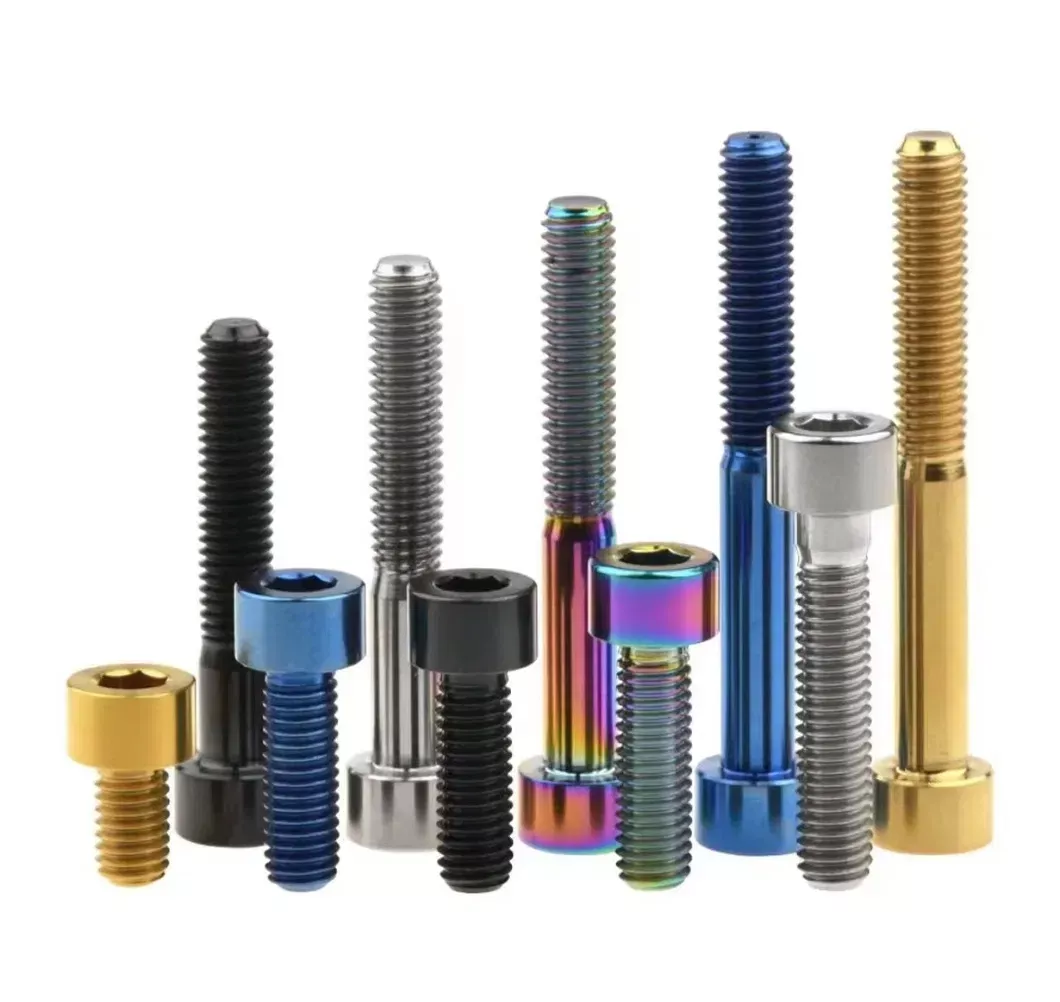
Multiple Advantages and Wide Applications of Titanium Alloy Screws
Titanium alloy screws are no longer confined to niche applications. Their usage is growing across industries, and for good reason. While their price point is higher than traditional steel or aluminum fasteners, their unique combination of properties makes them the only choice for demanding, high-per
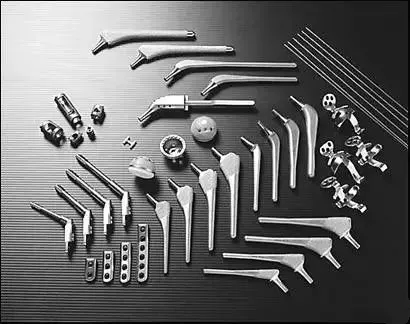
Medical-Grade Titanium Alloys: A Powerful Force in the Medical Field
Medical-Grade Titanium Alloys: A Powerful Force in the Medical FieldIn the field of biomedical materials, titanium alloys have become a highly regarded "star material" due to their superior properties. Biomedical materials are used to interact with biological systems for the diagnosis, treatment, re
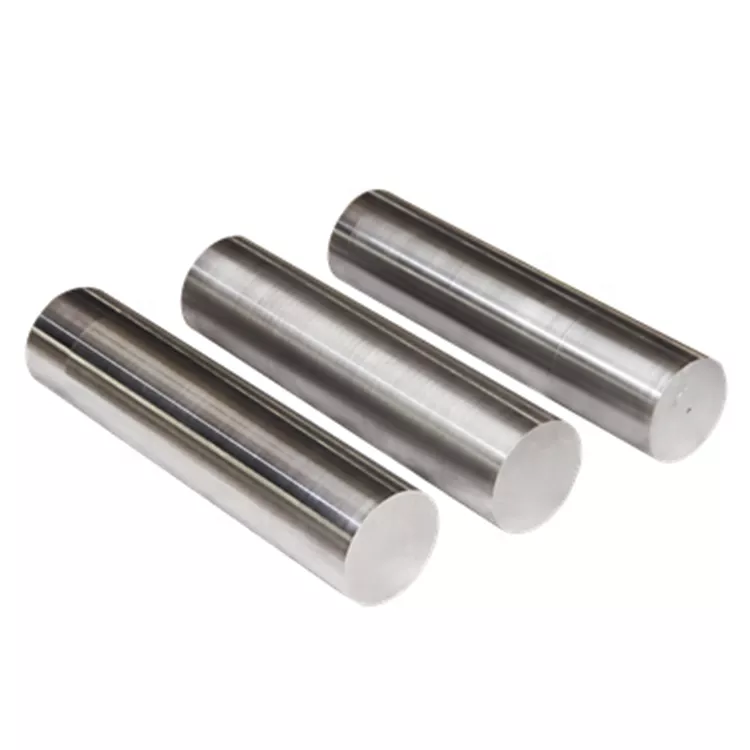
The Wide Application And Market Prospects of Titanium in Sports Equipment
The Wide Application And Market Prospects of Titanium in Sports Equipment
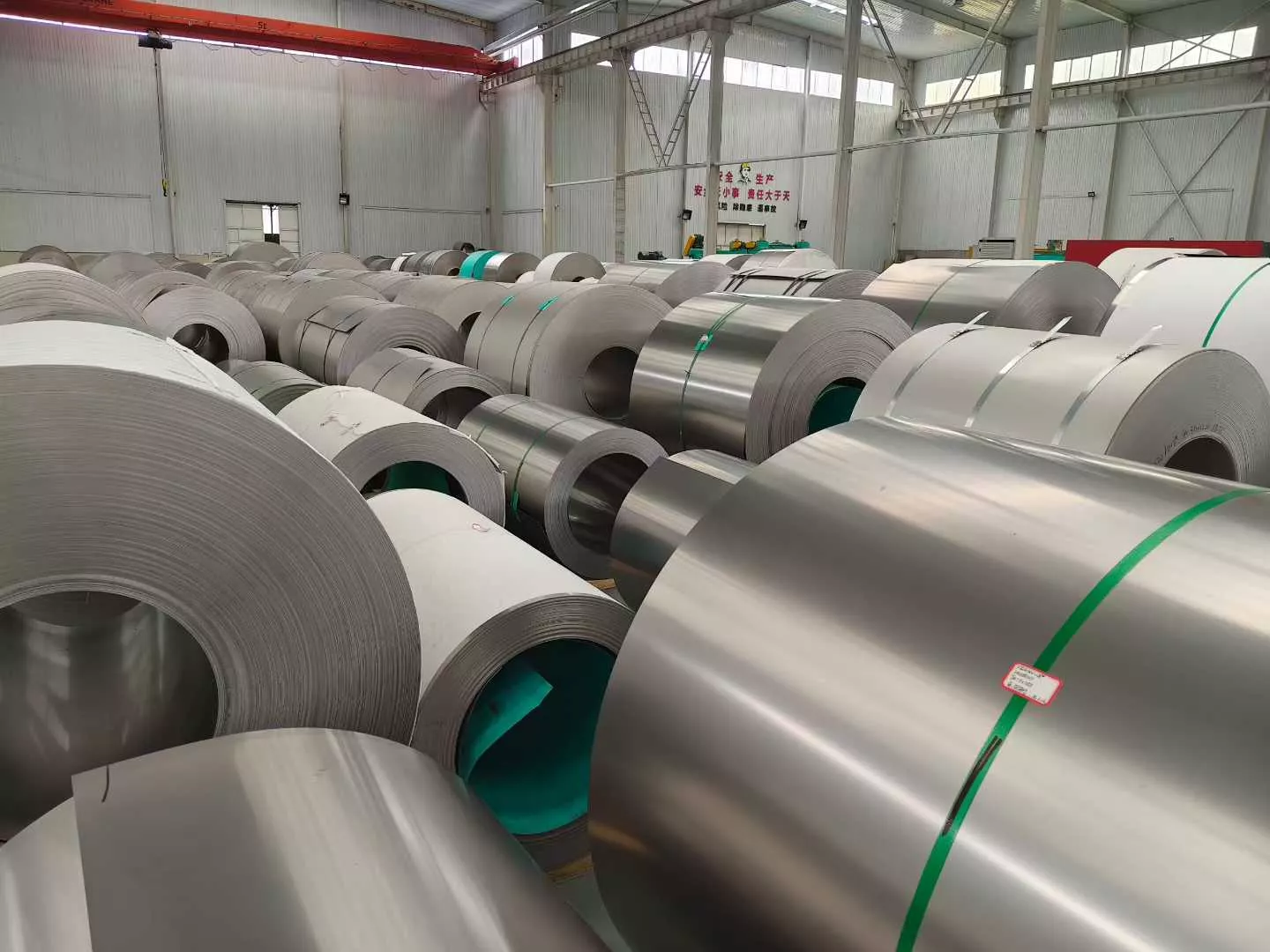
Titanium: The Unsung Hero of Modern Materials
Titanium: The Unsung Hero of Modern MaterialsWhen we think of the high-performance materials that power the world—from the airplanes we ride in to life-saving medical implants—one metal is often overlooked: titanium. This smooth, silvery-white metal is more than just another element on the periodic
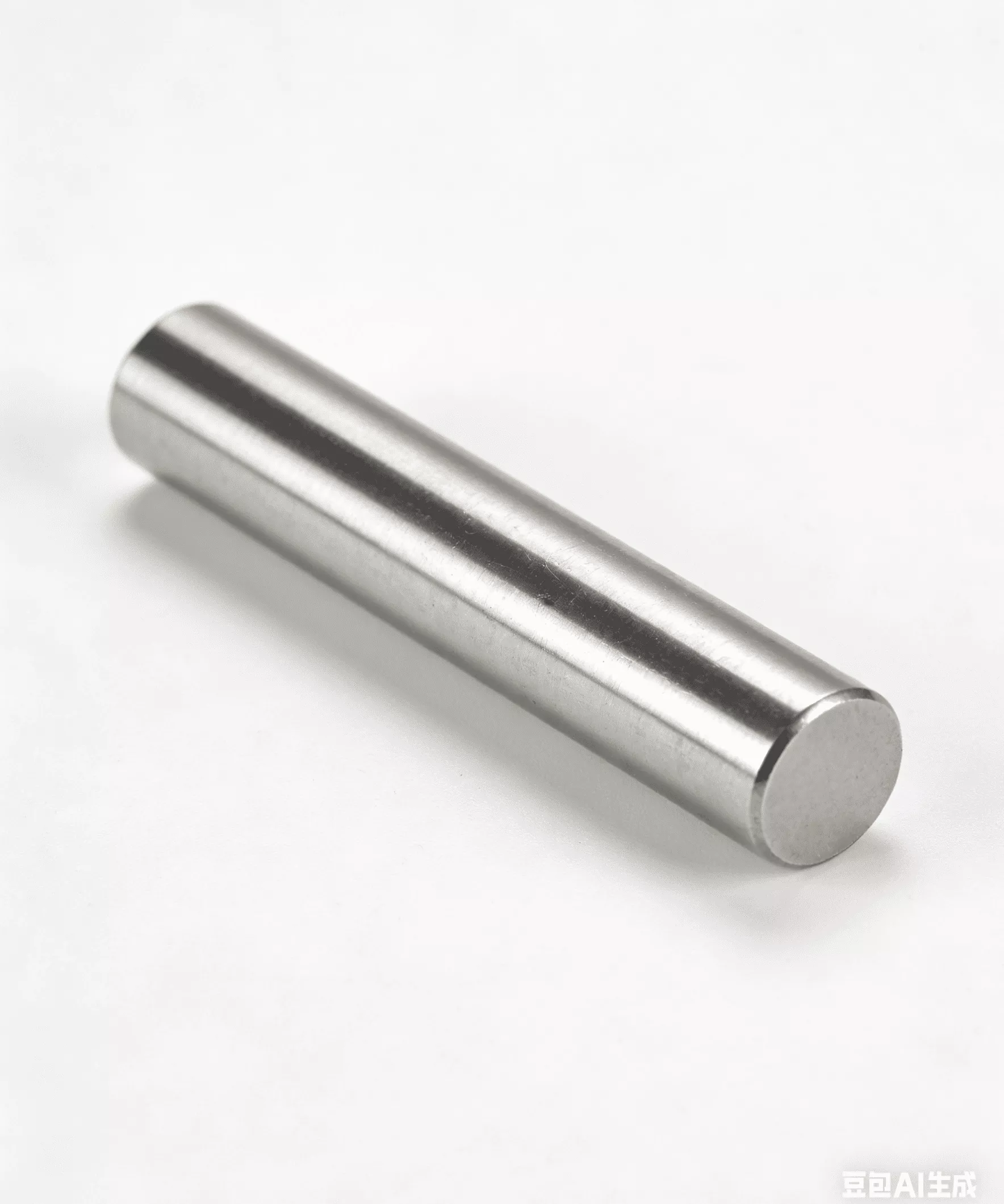
Why Titanium Rods Remain the Gold Standard in Spinal Fusion?
Why Titanium Rods Remain the Gold Standard in Spinal Fusion? At last year's NASS conference in Chicago, our team spent a solid half-hour at one booth, comparing fatigue test curves from different materials. Despite all the hype around cobalt-chrome alloys, conversations with several Japanese colleagues rei
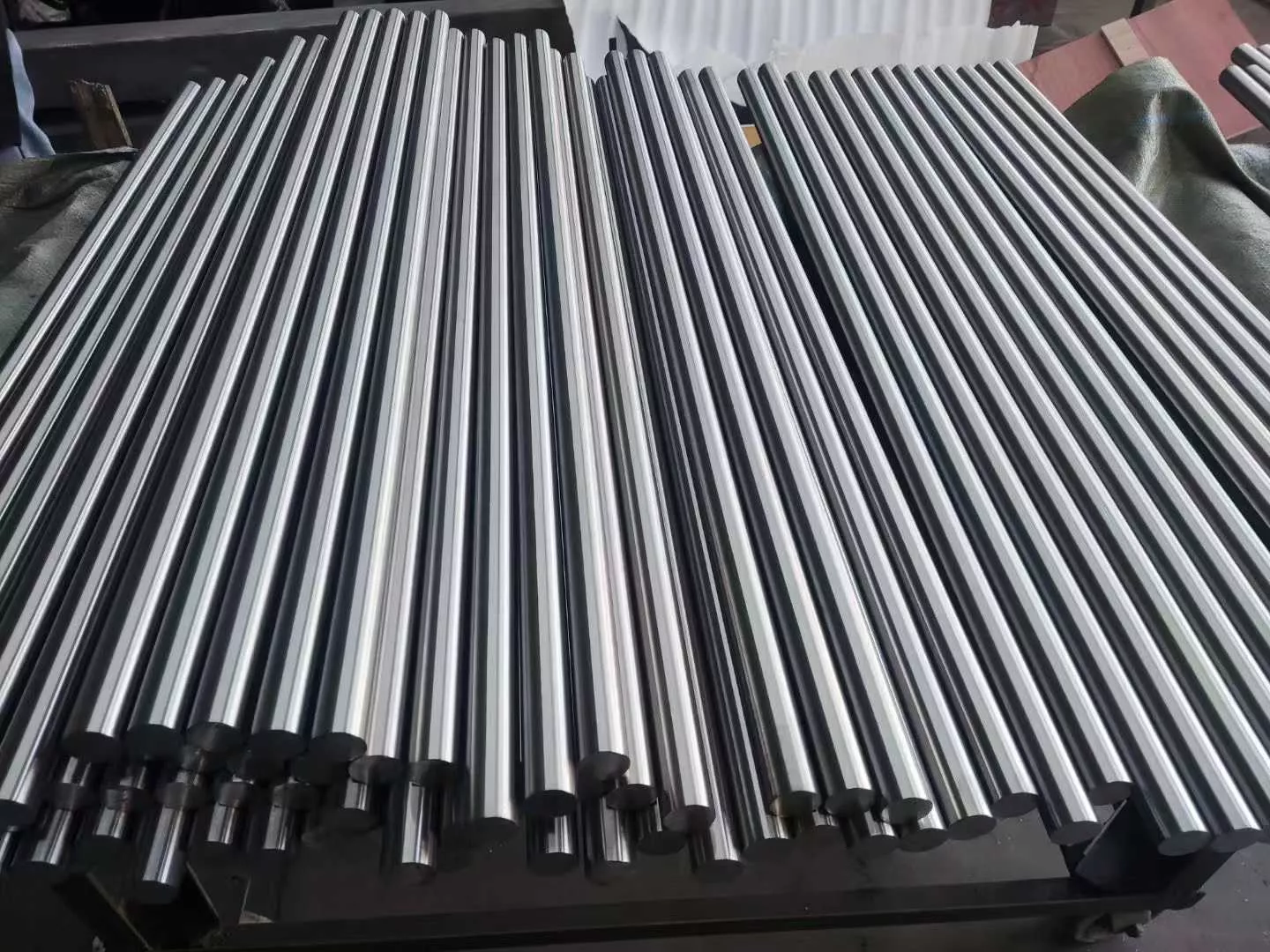
What Exactly Is An Industrial Titanium Rod? How Is It Different From The Regular Metal Bars We See Every Day?
An industrial titanium rod is a high-performance metal product made from titanium sponge through processes like melting and forging. Its core features are its "high specific strength" (about 40% lighter than steel but with comparable strength) and "superior corrosion resistance" (it hardly rusts i
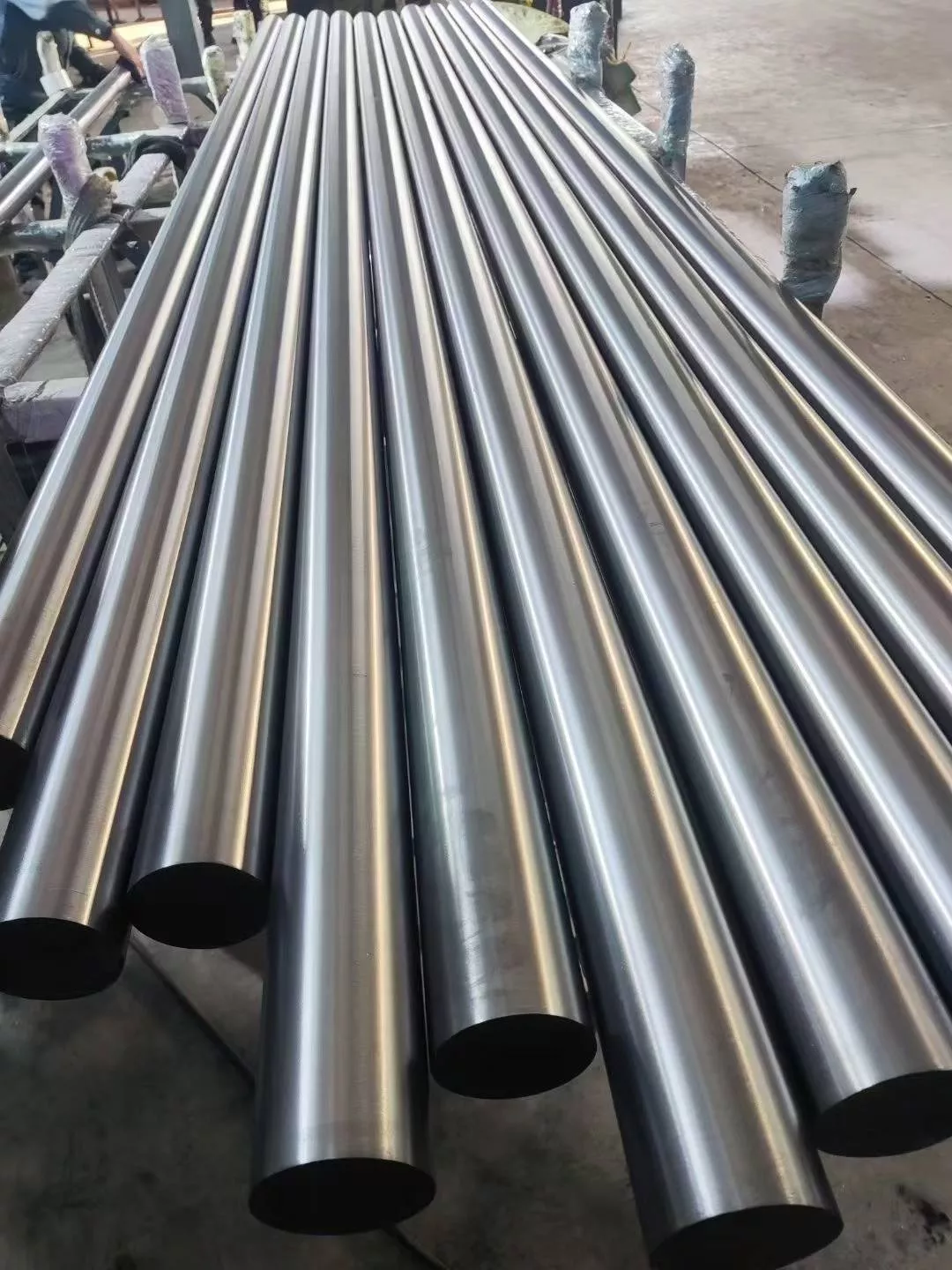
Commercially Pure Titanium Bar Vs Titanium Alloy Bar: What Actually Matters in Production
The core difference between CP titanium (Grade 2) and titanium alloy (Grade 5) is intentional strengthening. CP titanium offers better machinability, weldability, and corrosion resistance—ideal for chemical equipment and medical implants. Titanium alloy provides higher strength and fatigue life, suited for load-bearing structures and high-volume CNC machining. The selection rule: ask whether your part is corrosion-limited or load-limited first. Wrong choices lead to machining scrap or premature failure.

Why Our TC4 ELI Bars Outperform The Standard — A CTO Technical Brief
As the CTO of a medical titanium materials company with 20 years of experience serving global orthopedic OEMs, I’d like...
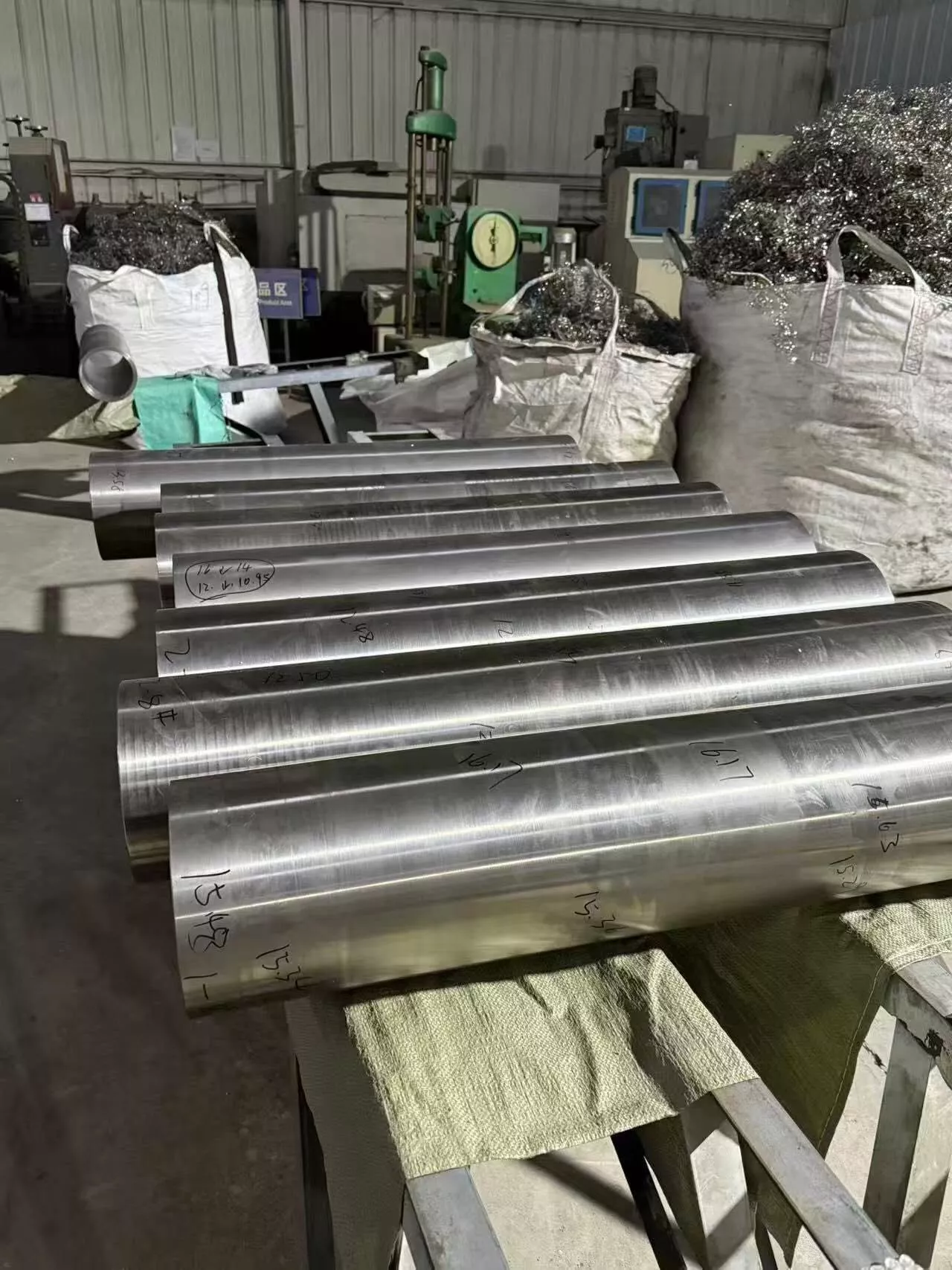
5 Common Mistakes to Avoid When Purchasing Titanium Alloy Bars
Purchasing titanium alloy bars is far more complex than it appears. Choosing the wrong grade, chasing the lowest price, ignoring surface quality, skipping MTR traceability, or underestimating MOQ and lead times—any of these five common mistakes can derail your entire project.
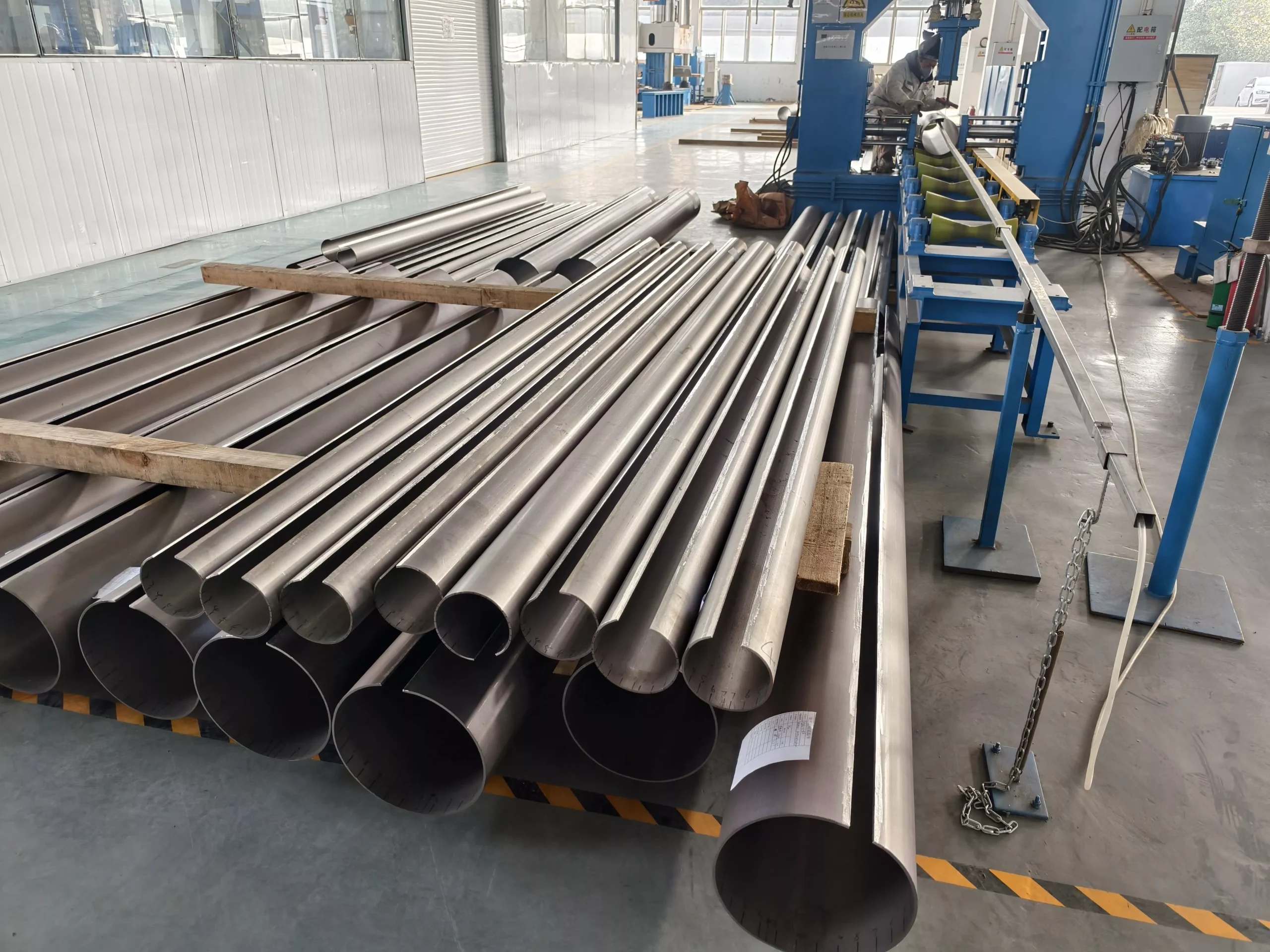
Large Diameter Titanium Welded Pipe Manufacturing Process: From Titanium Plate To High-Performance Industrial Tubing
Learn how large diameter titanium welded pipes are manufactured, from plate forming and plasma arc welding (PAW) to non-destructive testing. Discover the advantages of precision titanium pipe production for chemical, marine, power and aerospace industries.
