English
 العربية
 Français
 Русский
 Español
 Português
 Deutsch
 Italiano
 日本語
日本語
 한국어
한국어
 हिन्दी

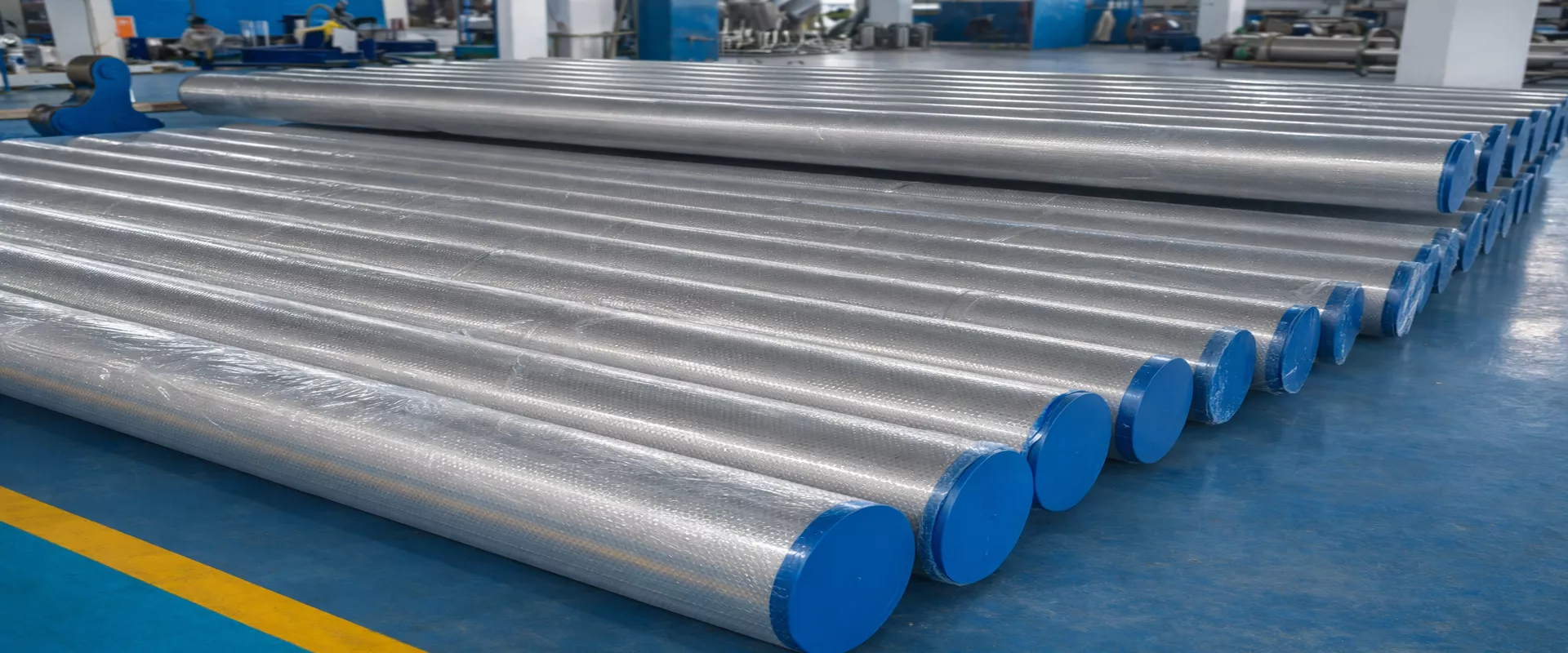
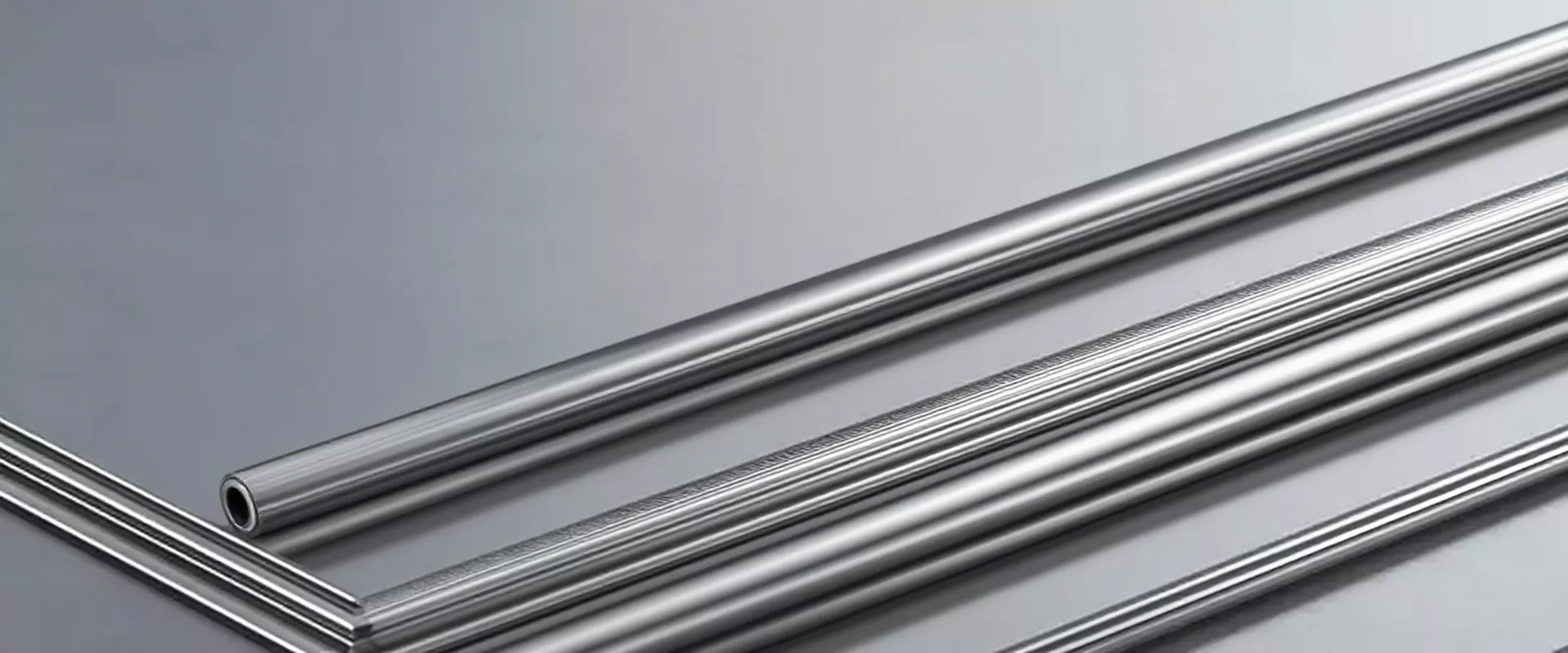
As the CTO of a medical titanium materials company with 20 years of experience serving global orthopedic OEMs, I’d like to introduce our latest batch of TC4 ELI bars. These bars don’t merely meet standards — we engineered the alloy’s “lineage,” micro‑skeleton, and processing chain to deliver more predictable, longer‑lasting implant foundations.

- Melting & Composition: Controlling the “Lineage”
- Process: Vacuum arc/vacuum remelt with multiple refining steps, strict control of chemistry and inclusion population.
- Outcome: Oxygen and nitrogen levels reduced by ~10–30 ppm compared with typical suppliers (internal comparison); significantly lower inclusion counts.
Meaning: A cleaner “genome” provides an irreversible advantage to downstream processing and final properties.
- Thermomechanical Processing & Microstructure: Building a Uniform “Skeleton”
- Strategy: Precise hot‑working parameters, controlled recrystallization windows, staged cooling, and intermediate homogenization anneals.
- Microstructural result: Average grain size refined from industry typical ~10–12 μm down to ~4–6 μm; cross‑sectional homogeneity markedly improved.
Meaning: A finer, more uniform skeleton directly improves fatigue and fracture behavior.
- Powderability & Additive Manufacturing Readiness
- We optimize bar microstructure and surface condition to retain fidelity during atomization: higher powder yield, better sphericity, and less inclusion redistribution.
- Result: Printed parts show higher initial density and lower defect rates versus parts built from commodity powders.
- Performance Highlights (key figures)
- Fatigue strength: In R=0.1 S‑N testing, specimens derived from our bars show ~15–25% higher fatigue endurance limit than conventionally processed ASTM F136 materials.
- Fatigue life: At equivalent stress amplitudes, cycles to failure increased by 2–4× in internal long‑term S‑N tests.
- Ductility/toughness: With reduced oxygen and fewer inclusions, elongation improved ~5–12%; impact toughness increased ~10–20%.
- Consistency: Inter‑batch standard deviation in mechanical properties reduced by ~30–50%, facilitating scale‑up and regulatory submissions.
- What This Means for Our Three Audiences
- For design engineers: Finer grains, fewer inclusions, and lower residual stress give more predictable post‑machining performance (threads, holes, surface treatments) and higher fatigue margins.
- For clinicians: A uniform structural “skeleton” and low impurity level reduce microcrack initiation and propagation under cyclic loads, supporting long‑term implant stability.
- For competitors/procurement: Our advantage is process continuity and traceable quality across the melt → TMP → inspection chain, not just a single performance number.
- Quality & Traceability
- Every bar carries a unique ID with full melt history, thermomechanical records, chemical reports, and NDE results. We welcome third‑party verification and customer‑specific test plans.
Closing (from the CTO) In orthopedic implants, material performance is not won by a single metric but by the interplay of lineage, skeleton, and process control. Our TC4 ELI bars deliver that integrated advantage. Contact us to request detailed datasets or sample material for evaluation.

Yadexalloy — 20 years in medical metal materials and processes, supplying leading orthopedic OEMs