English
 العربية
 Français
 Русский
 Español
 Português
 Deutsch
 Italiano
 日本語
日本語
 한국어
한국어
 हिन्दी

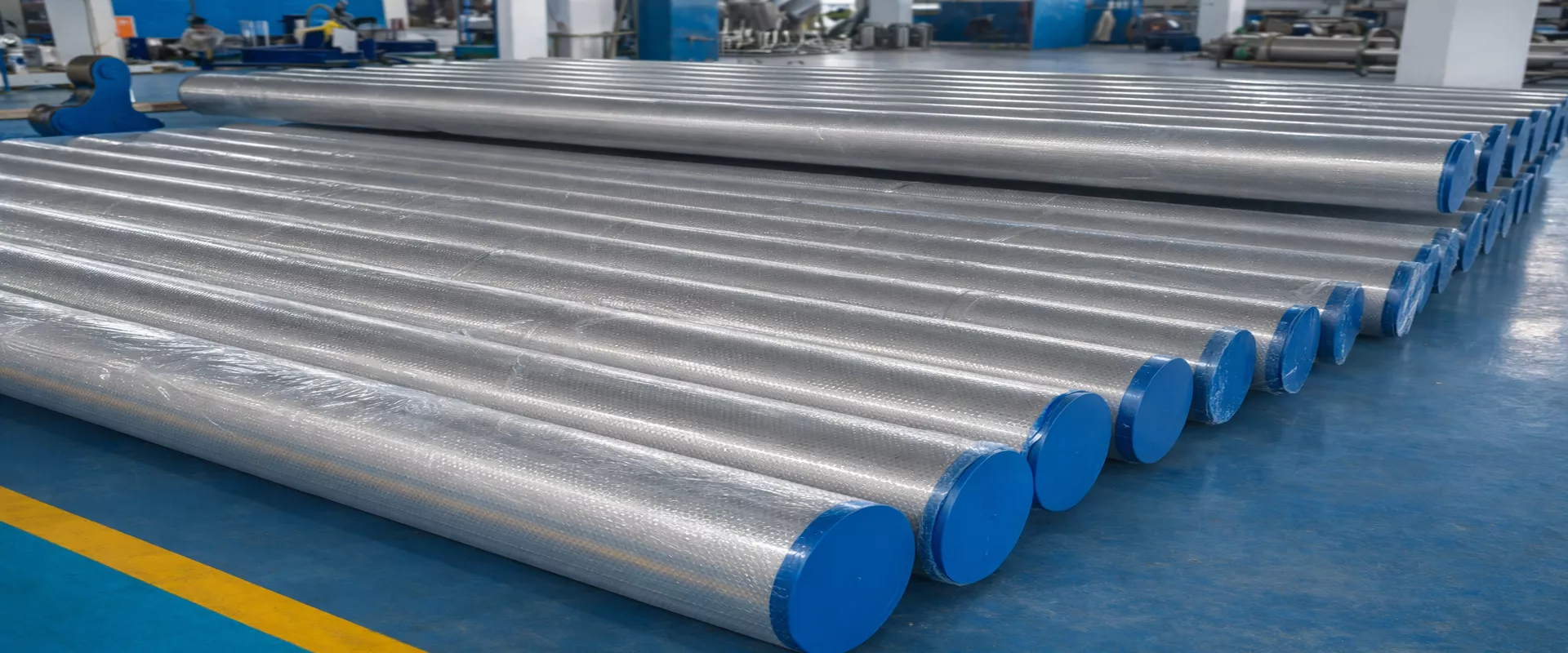
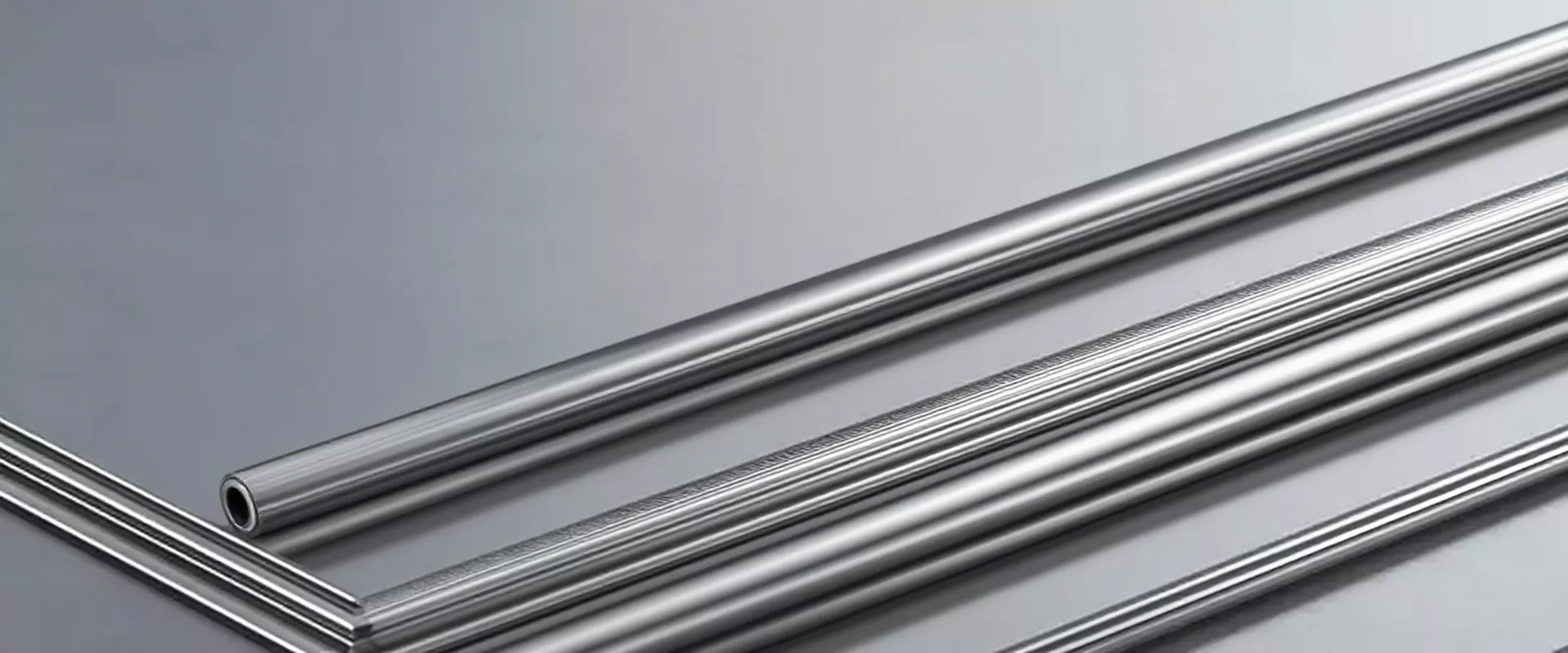
Large diameter titanium welded pipes have become an essential material for industries such as chemical processing, offshore engineering, desalination, power generation, aerospace, and new energy. Thanks to their outstanding corrosion resistance, high strength-to-weight ratio, and long service life, titanium welded pipes are increasingly replacing conventional stainless steel and other metallic materials in demanding applications.
Producing high-quality large diameter titanium welded pipes, however, requires advanced forming technology, precision welding equipment, and strict quality control throughout the manufacturing process.
Challenges in Manufacturing Large Diameter Titanium Welded Pipes
Compared with standard welded pipes, manufacturing large diameter titanium pipes is technically more demanding. Traditional roll-forming equipment often limits the maximum pipe length while making it difficult to achieve excellent roundness and dimensional accuracy.
Common challenges include:
- Limited pipe length due to rolling equipment
- High ovality after forming
- Additional straightening and reshaping operations
- Manual welding with inconsistent weld appearance
- Variable weld quality and reinforcement
As industrial projects demand higher reliability and tighter tolerances, manufacturers are increasingly adopting automated production technologies

Production Process of Large Diameter Titanium Welded Pipes
Modern manufacturing generally consists of the following steps.
1. Material Preparation
Production begins with high-quality titanium plate or titanium alloy plate. Based on the required pipe diameter, wall thickness, and length, the flat plate is accurately measured and cut using automatic cutting equipment.
Precise blanking ensures dimensional consistency throughout the production process.
2. Precision Press Forming
Instead of conventional roll forming, dedicated hydraulic presses equipped with specially designed forming dies gradually bend both edges of the titanium plate into the required curvature.
This method offers several advantages:
- Better dimensional accuracy
- Lower ovality
- Improved straightness
- Capability to manufacture pipes up to 6 meters in length
3. Edge Alignment
The formed plate is transferred to a specially designed hydraulic alignment system.
Side pressure cylinders precisely close the joint while upper pressure cylinders ensure proper alignment of the welding seam. Conveyor systems continuously move the pipe during the production process, improving manufacturing efficiency.
4. Automatic Tack Welding
During conveying, automatic tack welding securely fixes the joint before final welding.
This minimizes distortion and ensures consistent seam alignment throughout the welding process.
5. Automatic Plasma Arc Welding (PAW)
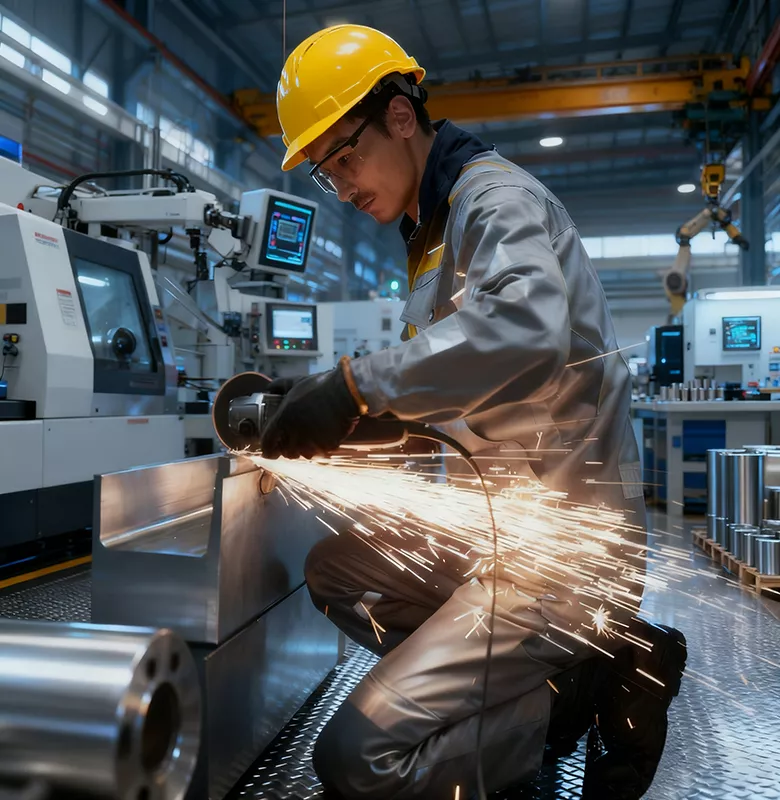
Welding is the most critical stage in manufacturing titanium welded pipes.
Compared with conventional manual TIG welding, Plasma Arc Welding (PAW) provides significant advantages:
- Full penetration without bevel preparation
- Suitable for plate thicknesses of 14–18 mm
- Smooth and uniform weld appearance
- Stable heat input
- Higher welding efficiency
- Excellent internal weld quality
Under optimized production conditions, the weld X-ray inspection pass rate can exceed 98%, ensuring outstanding product reliability.
6. Sizing and Straightening
After welding, hydraulic sizing equipment and customized forming dies restore the pipe to its required geometry.
The process includes:
- Pipe rounding
- Straightening
- Dimensional correction
These operations guarantee compliance with customer specifications and international standards.
7. Non-Destructive Testing (NDT)
Every finished pipe undergoes rigorous inspection before delivery.
Typical testing methods include:
- Radiographic Testing (RT)
- Dye Penetrant Testing (PT)
Additional inspections such as Ultrasonic Testing (UT), hydrostatic testing, and dimensional inspection may also be performed depending on project requirements.
Forming Technologies for Large Diameter Titanium Pipes
Two primary forming methods are commonly used in the industry.
Single-Radius Forming
This method is suitable for standard pipe dimensions but offers limited flexibility for customized diameters.
Multi-Radius Forming
Multi-radius forming gradually bends the plate using multiple forming stages, allowing manufacturers to produce a wider range of diameters with improved roundness and dimensional precision.
It has become the preferred solution for manufacturing high-quality custom large diameter titanium welded pipes.
Growing Market Demand
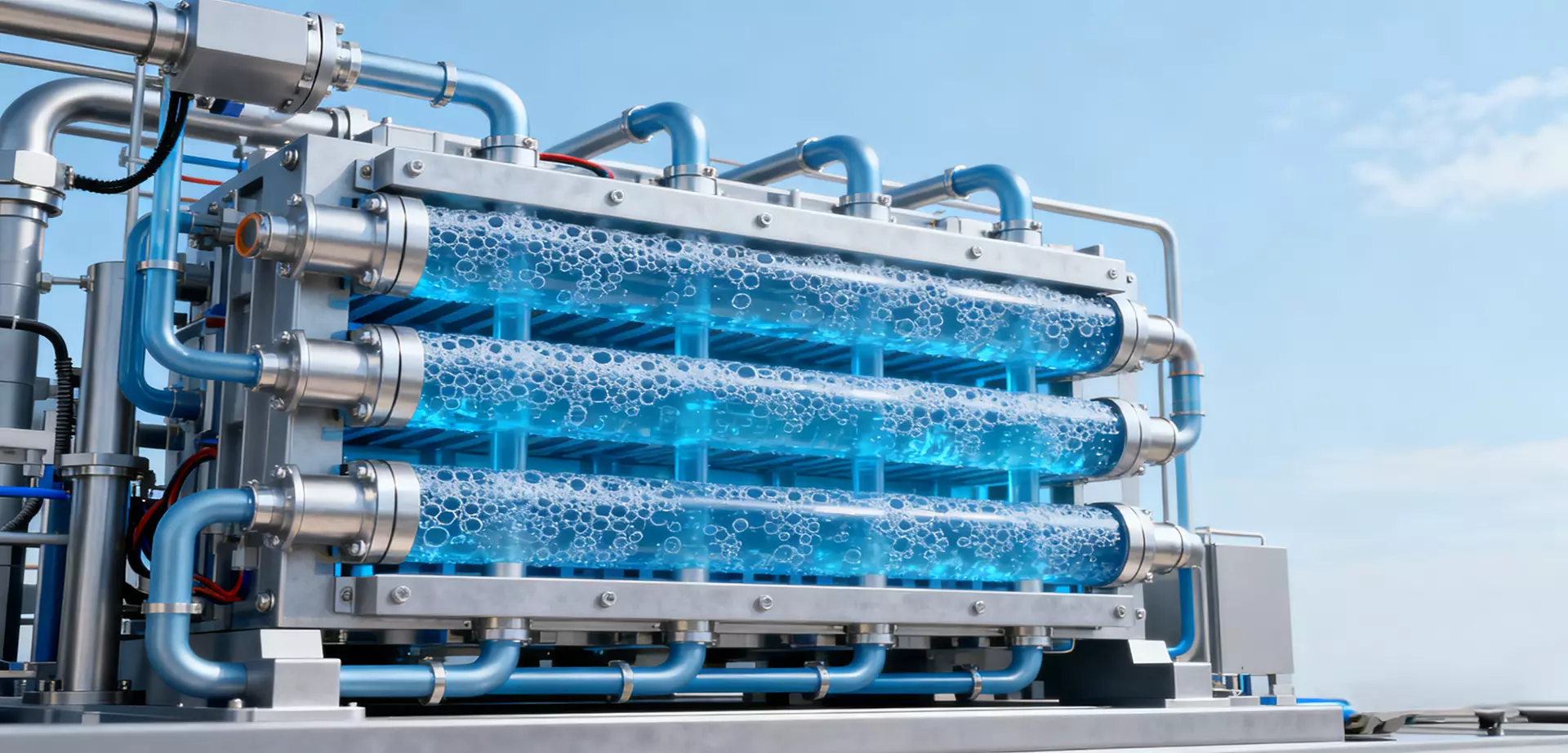
Demand for large diameter titanium welded pipes continues to increase across industries including:
- Chemical processing
- Seawater desalination
- Offshore engineering
- Nuclear power
- Renewable energy
- Environmental protection
- Heat exchanger manufacturing
Continuous improvements in automated forming equipment, plasma welding technology, and intelligent inspection systems are helping manufacturers deliver higher-quality products with greater production efficiency.
Conclusion
Manufacturing premium large diameter titanium welded pipes requires much more than high-quality titanium materials. Precision forming, automated Plasma Arc Welding (PAW), and comprehensive quality inspection all play vital roles in ensuring product performance and long-term reliability.
As manufacturing technologies continue to advance, large diameter titanium welded pipes will play an increasingly important role in supporting critical industrial applications worldwide, delivering superior corrosion resistance, structural integrity, and long service life even in the most demanding environments.
Looking for a reliable titanium welded pipe manufacturer?
We supply high-quality large diameter titanium welded pipes manufactured with advanced Plasma Arc Welding (PAW) technology. Contact our team today for technical support, custom dimensions, and competitive quotations.