English
 العربية
 Français
 Русский
 Español
 Português
 Deutsch
 Italiano
 日本語
日本語
 한국어
한국어
 हिन्दी

Why Titanium Rods Remain the Gold Standard in Spinal Fusion?
At last year’s NASS conference in Chicago, our team spent a solid half-hour at one booth, comparing fatigue test curves from different materials. Despite all the hype around cobalt-chrome alloys, conversations with several Japanese colleagues reinforced my conviction: titanium alloy (Ti-6Al-4V) still delivers the most compelling clinical data.
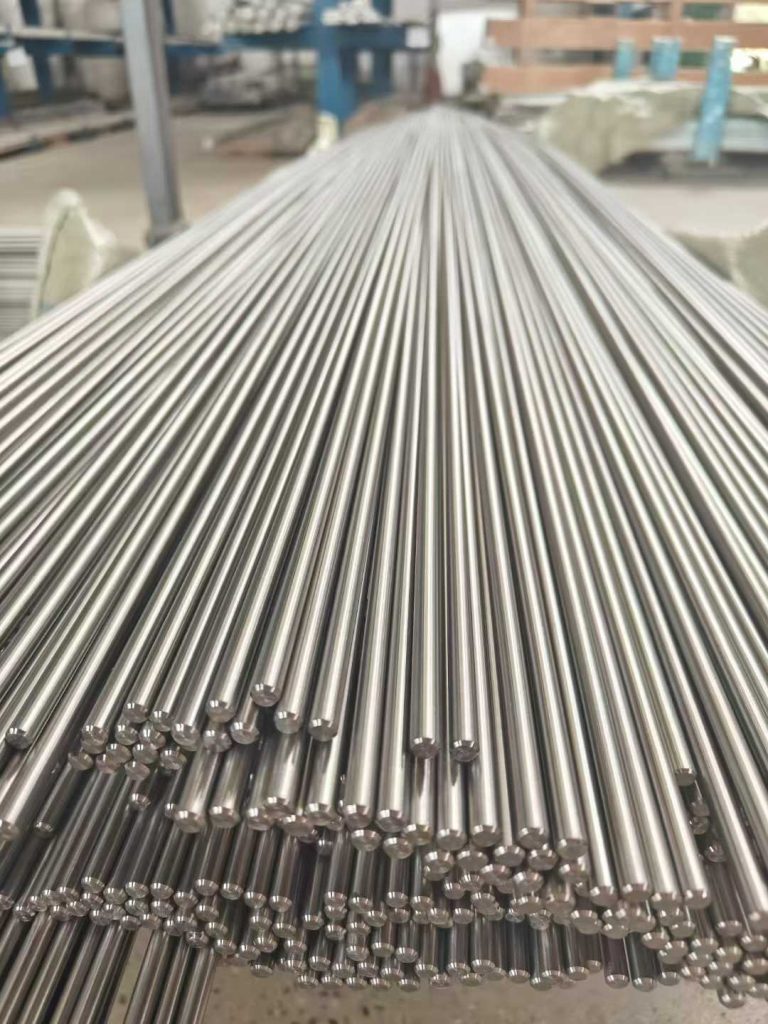
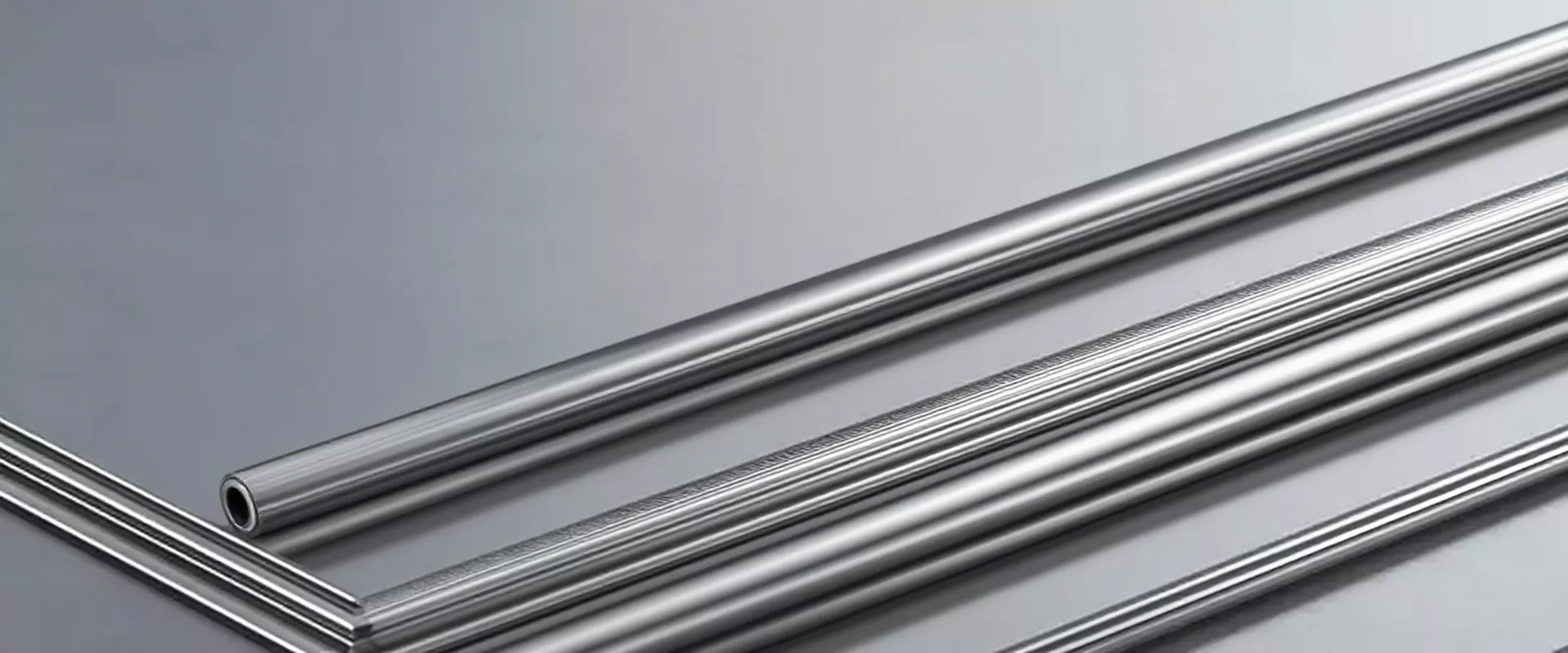
The core advantage comes down to “elastic modulus”—titanium rods more closely match the stiffness of human bone. Cobalt-chrome is simply too rigid (around 230 GPa), creating significant stress shielding that compromises bone healing. PEEK, on the other hand, is too flexible and risks cage subsidence. Our data tracking 50 long-segment fixation patients showed that those receiving titanium rods had approximately 14% lower rates of proximal junctional kyphosis compared to cobalt-chrome recipients.
On safety concerns, a 2025 Japanese study involving 120 patients provided reassurance: serum titanium ion levels remained stable below 3.5 ppb two years post-surgery, suggesting that “metal ion risks” have been greatly exaggerated.
From a procurement perspective, modern titanium alloys now offer approximately 22% better bending smoothness during intraoperative contouring compared to older generations. This translates to shorter surgical times and reduced instrument wear for the nursing staff.